Journey to the Land of Conscience | Alson.AI
alson.ai, Alson.AI, storybook ,digital storybook
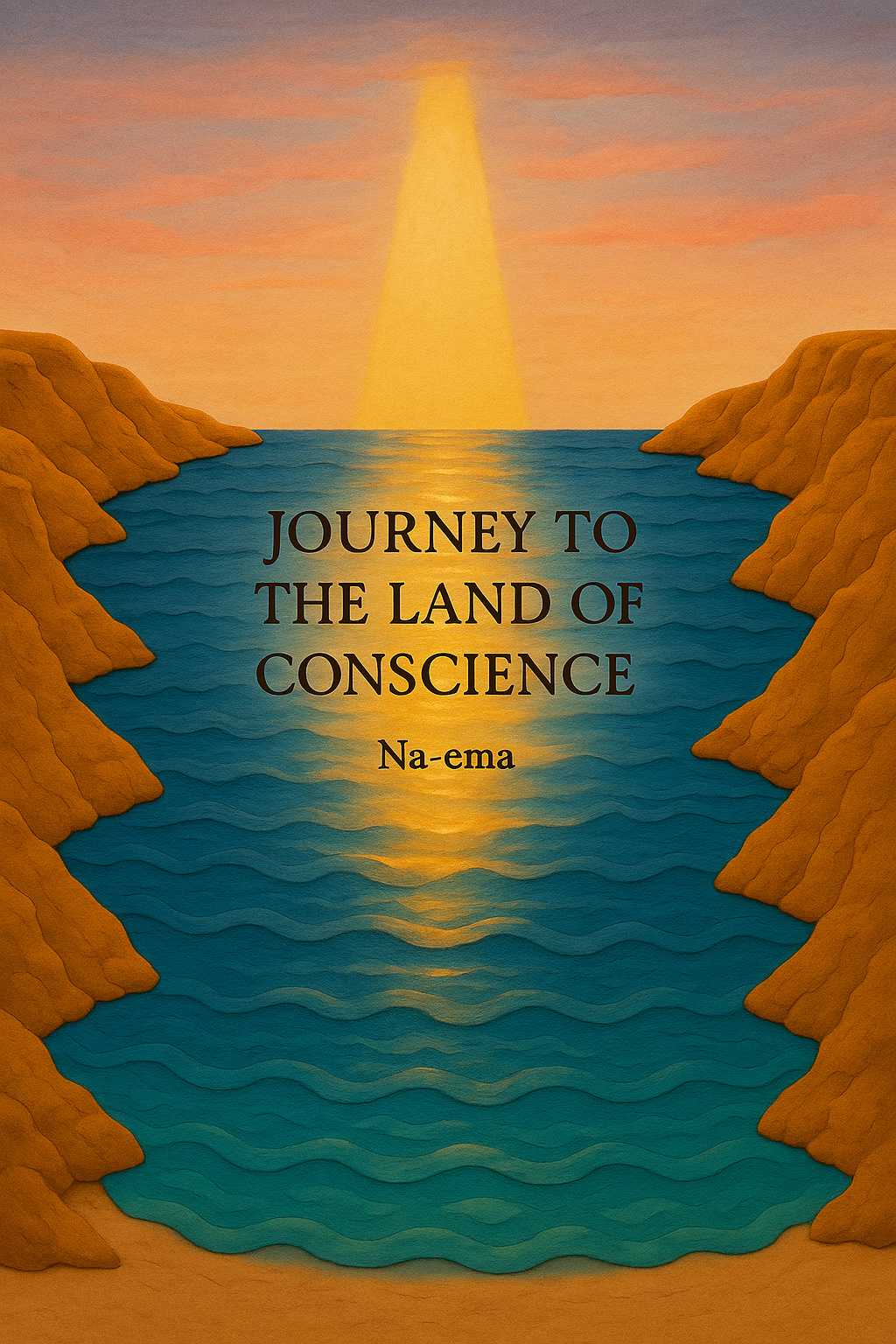
When early Muslims faced persecution in Makkah, Prophet Muhammad guided a small group to seek safety under the just king of Habasha. Brave believers crossed the sea to find shelter with King Negus and waited anxiously as envoys tried to sway the ruler. In a moving court scene, Ja'far recounted Islam’s transformation through faith and mercy, and Jesus’s miraculous words in the cradle sealed their protection. The king’s compassionate decision became a lasting symbol of justice across faiths. This heartwarming tale shows that true belonging grows from understanding, courage, and hope.
alson
The evening breeze whispered forgotten tales. My father led me back in time to Makkah, where he said the Prophet's followers endured the Quraysh's harsh persecution.
Many early believers were poor or enslaved, without family to shield them. Day after day, the Quraysh sought to silence their faith, leaving hearts heavy with sorrow.
Seeing their suffering, the Prophet (P.B.U.H.) urged them to seek refuge in Habasha, where a just king rules, and await God's relief.
The king was Negus, a just Christian ruler also known as Najīshi. Quietly, a small group including Uthman ibn Affan and Ruqayyah crossed the Red Sea. This was Islam’s first Hijrah.
When news reached the Quraysh, they sent envoys and gifts to persuade Negus to return the refugees. The small Muslim community waited in Habasha, hearts filled with faith and fear.
Negus, committed to justice, called both sides to present their case. Ja‘far ibn Abi Talib RA, the Prophet’s cousin, stepped forward to speak for the believers before the king and his bishops.
Ja‘far said, “O King, we were once lost in ignorance. We worshipped idols, oppressed the weak, and neglected our kin. Then Allah sent a man whose truth we knew, guiding us to honesty and mercy.”
He recited from the Quran: “And mention, [O Muhammad], in the Book [the story of] Mary... when she hid herself from her people, and Allah sent the Angel Gabriel in the form of a man.” – 19:16–17
She said, “Indeed, I seek refuge in the Most Merciful from you if you should be fearing Allah.” He said, “I am only the messenger of your Lord to give you news of a pure boy.” 19:18-19
She said, “How can I have a son when no man has touched me, nor have I been unchaste?” He said, “Your Lord says, ‘It is easy for Me, and he will be a sign to the people and a mercy from Us.’” 19:20-21
So she conceived him, and withdrew to a remote place. The pains of childbirth drove her to the trunk of a palm tree. She said, “Oh, I wish I had died before this and was forgotten.” 19:22-23
But she was called from below her, “Do not grieve; your Lord has provided beneath you a stream. And shake the trunk of the palm tree, and it will drop ripe, fresh dates upon you.” 19:24–25
“So eat and drink and be contented. And if you see anyone, say, ‘Indeed, I have vowed to the Most Merciful abstention, so I will not speak today to any man.’” 19:26
Then she brought him to her people, carrying him. They said, “O Mary, you have done something unprecedented. O sister of Aaron, your father was not evil, nor was your mother unchaste.” 19:27-28
So she pointed to him. They said, "How can we speak to one in the cradle?" But Jesus said, "Indeed, I am the servant of Allah. He has given me the Scripture and made me a prophet." 19:29–30
He declared: “He has made me blessed wherever I am, enjoined prayer and zakah for my life, and made me dutiful to my mother; He did not make me a wretched tyrant.” (19:31-32)
Jesus (PBUH) spoke in the cradle, making his miraculous claim. He confirmed, “And peace is on me the day I was born, the day I will die, and the day I am raised alive.” (19:33)
When Negus and his bishops heard these words, they wept. Their tears fell until their scrolls were wet, and a hush fell over the court as justice met mercy in those sacred verses.
Negus said, “What you have recited and what Jesus brought come from the same source. Go, for you are safe in my land.” At that moment, hearts lifted with relief and joy.
Coming back to the present, my father spoke softly: “That was the first time Muslims found protection under a Christian ruler—a symbol of shared justice, compassion, and human dignity.”
Before Medina rose as a city of refuge, Habasha opened its doors with righteousness and mercy, showing that belonging does not always begin with power, but with understanding.
The Prophet’s companions’ journey to Habasha was not to find faith but to protect it. Across the sea, they found what every believer seeks—justice, mercy, and a land where hearts could find refuge.
“Remember,” my father whispered, “home is not just the land you belong to, but wherever truth is free to live.” The boy closed his eyes, dreaming of lands—free, near, and far.
first hijrah
Abyssinia refuge
King Negus
interfaith compassion
Islamic history
faith and courage